Forty years of rust, gone in an afternoon
Victorian gates, garden railings, hinges welded shut by decades of weather — the laser vaporises the rust and leaves clean, sound metal ready for primer the same day. No grinding sparks near your car, no grit in your flowerbeds, no chemicals down your drain.
Is the laser right for your job?
Laser is right when…
- Surface and moderate rust on solid metalgates, railings, hinges, brackets, tools
- Detailed or ornate ironworkscrollwork the wire wheel can’t reach
- You want to keep the originalperiod features, matching sections
- The item can’t be removed for dippingfixed railings, built-in metalwork
It’s the wrong tool when…
- The metal is rusted throughlace-thin steel needs welding or replacing, not cleaning
- Structural corrosion on load-bearing partsthat’s a fabricator’s job first
- You just want it hidden fasta wire brush and Hammerite is cheaper if you don’t care it returns
Not sure which side you’re on?
Send the photo— you’ll get an honest yes or no, not a sales pitch. Sometimes the answer is “replace that section, it’s past saving”, and I’ll tell you that too.
Metalwork that comes back from the dead
- Garden gates and side gatesincluding easing and re-hanging after — I’m a handyman too
- Railings and balustradespriced per metre, primed same day
- Hinges, latches and boltsfreed off and working again
- Juliet balconies and window guards
- Garden furniture framesthe cast-iron bench lives again
- Radiators (off the wall)period column radiators especially
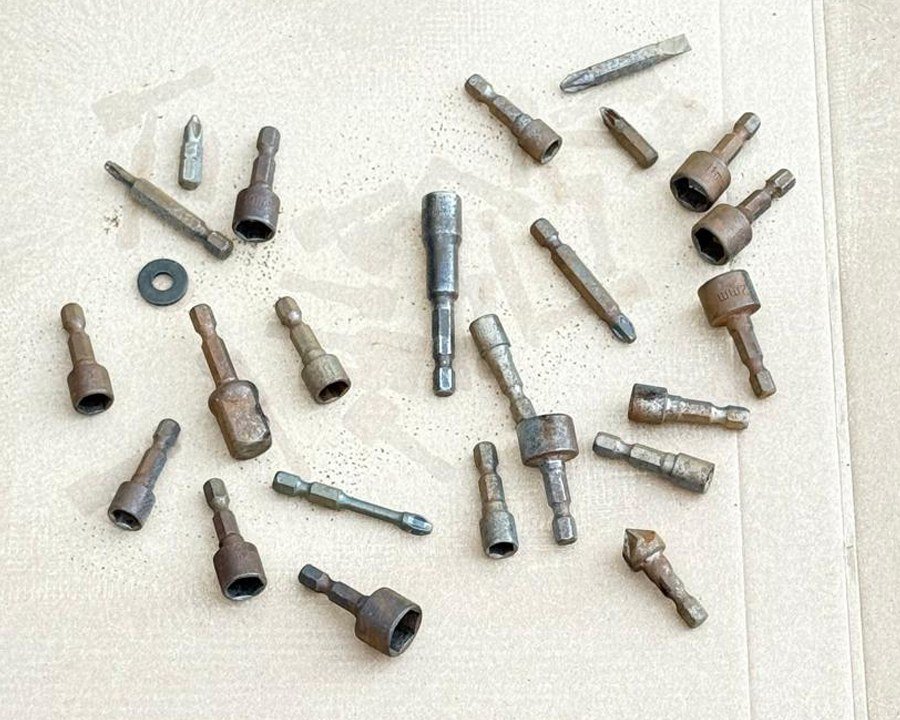
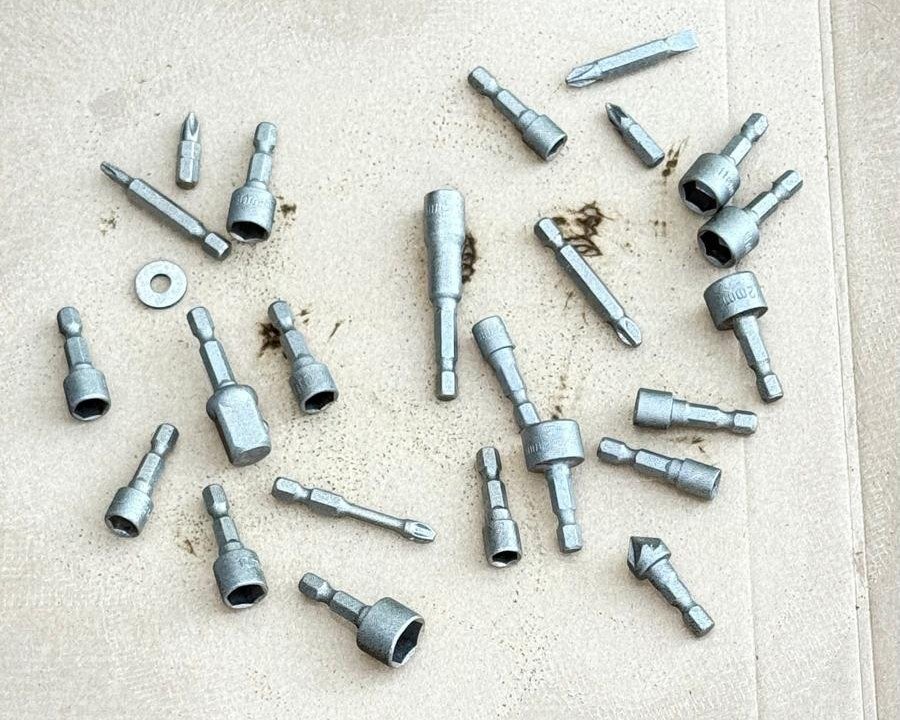
- Hand tools and garage findssee also car parts
- Brackets, braces and fixingscheaper restored than resourced
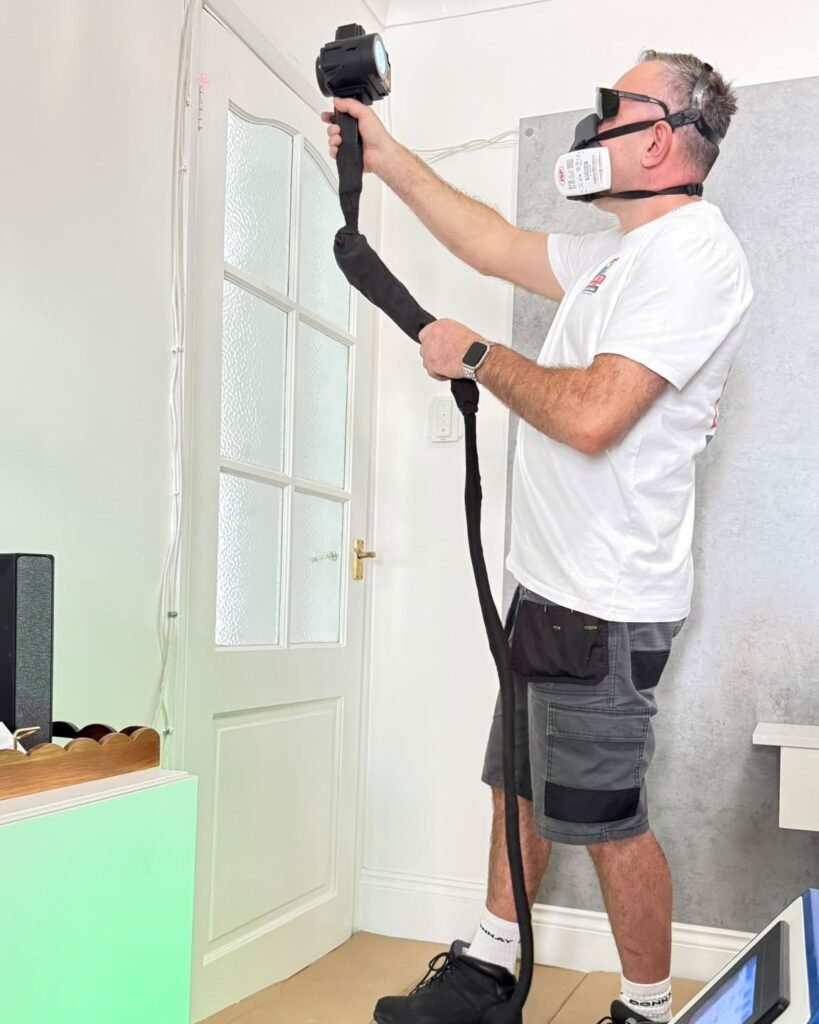
Rust is iron oxide, and it absorbs the laser’s wavelength far more greedily than the clean metal underneath. Each pulse flashes a microscopic layer of oxide into dust — which my extraction captures — until the beam hits sound metal and mostly reflects. That’s why the laser can’t dig pits the way blasting does: the physics runs out of rust to burn. Fresh bare steel flash-rusts within hours in British weather, so I prime as part of the visit — the finish you paint onto matters as much as the cleaning.
From the £50 call-out for small items
Hinges, brackets and single small items sit at the £50 minimum. Gates from a photo, railings per metre, big runs priced individually for the project — always a confirmed price before I load the van. Full context on the price guide.
“Thank you pawel, Arrived on time,polite,professional,and did a fantastic job, Would definitely recommend pawel, Thanks again”Dean Smythe, Lightwater · Assembly of double wooden bed base · MyBuilder, Aug 2026 — read all 50+ reviews
Rust removal questions
How much does laser rust removal cost?
Small items from the £50 minimum call-out, gates typically quoted from a photo, railings per metre, and large runs priced individually for the project. Send a photo with rough measurements and you’ll have a confirmed price, usually within the hour.
Is it better than sandblasting?
For most domestic metalwork, yes: no pitting of the surface, no grit through your garden, no dismantling and transporting. Blasting still wins for whole car shells and industrial scale — I’ll tell you when it does.
Will the rust come back?
Bare metal starts oxidising again within hours, which is why priming the same day is part of how I work. Primed and painted properly, the finish protects for years — and I can do the painting too.
Can you remove rust without removing the paint?
No — the laser strips the corroded and failing layers together, which is what you want: paint over rust fails fast. What’s left is the right surface to refinish.
Do you do small items off-site?
Yes — hinges, brackets, tools and parts can be dropped off or collected, often cheaper than a visit. See car parts & tools.
Show me the rust.
One photo of the gate, railing or part — honest verdict and a confirmed price, usually within the hour.